Workshop Equipments
 Brushes and wire cup brushes
 Hydraulic lifting table
 Workbench
 Multi-Purpose Spray
 Maintenance tool kits
 Threading repair sets
 Concrete drill bit set
 Metal drill bit sets
 Countersink bit set
 Tap and die sets
 Woodworking clamp
 Bearing pullers
 Chemical cleaning spray bottle
 Hydraulic trolley jack
 Auto rewind air hose reel
 Straight shank end mill
 Turning tools - Milling cutters
 Velcro sanding disc
 Hydraulic punches
 Engineering files
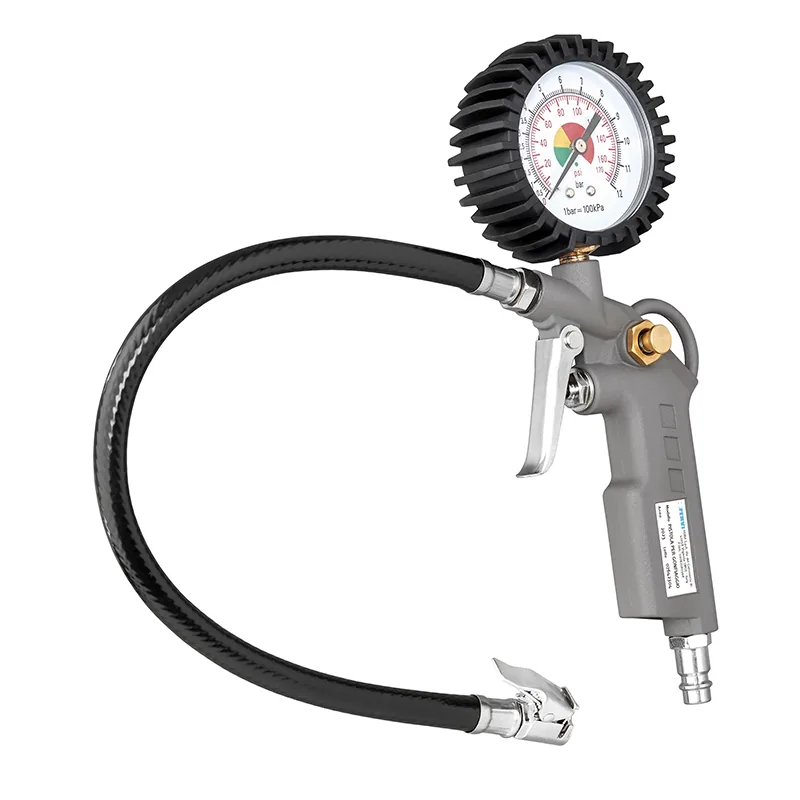
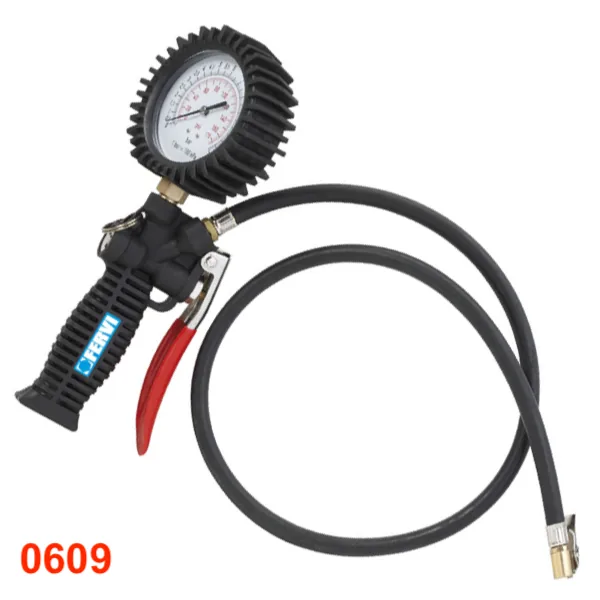
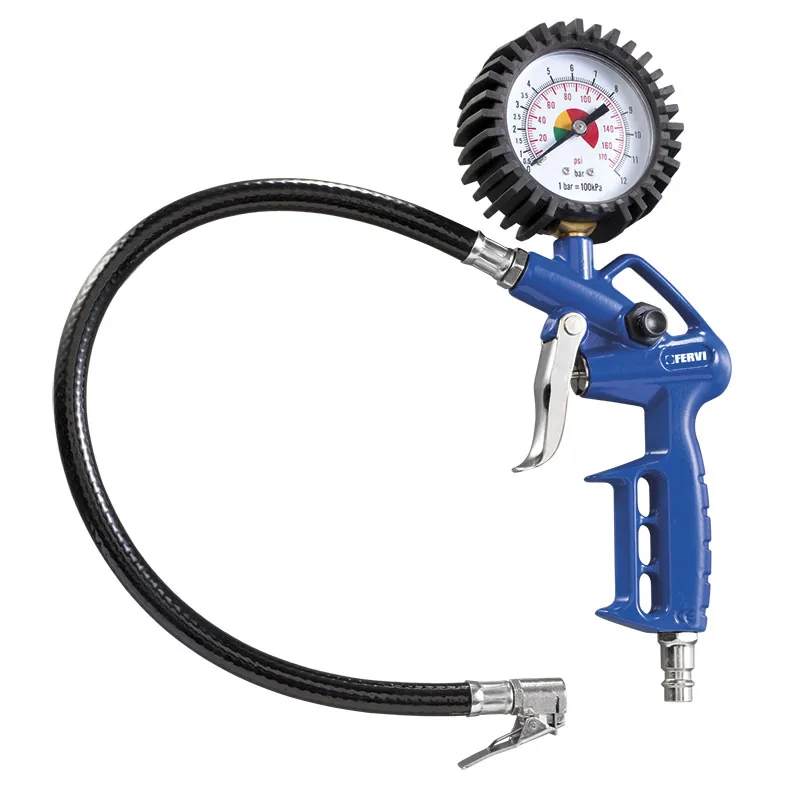
 Automotive tools
 Polishing tools
 Cable pulling
 Pneumatic tools
 Bench Vice
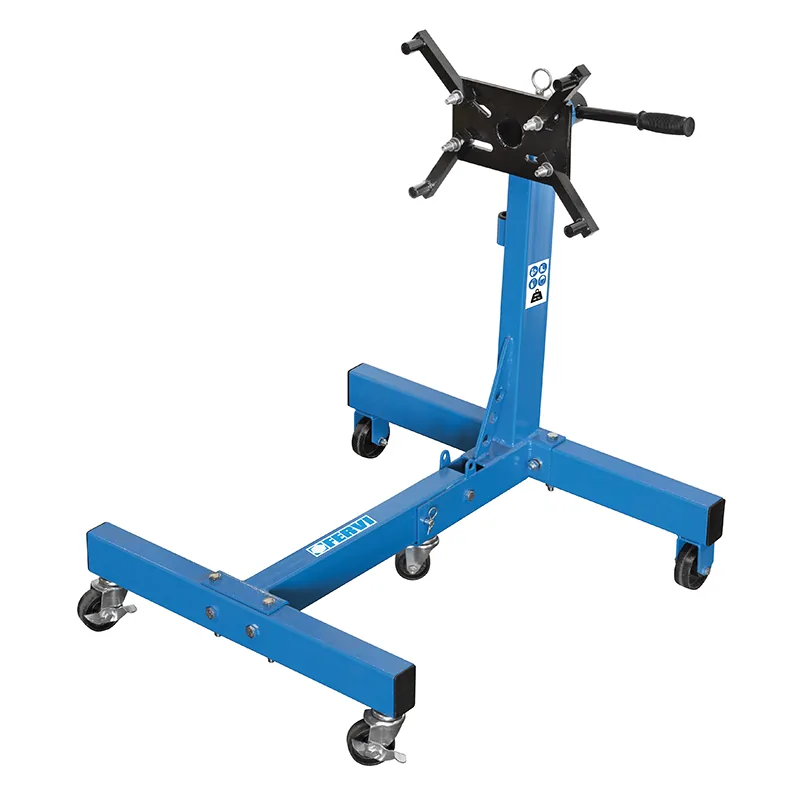
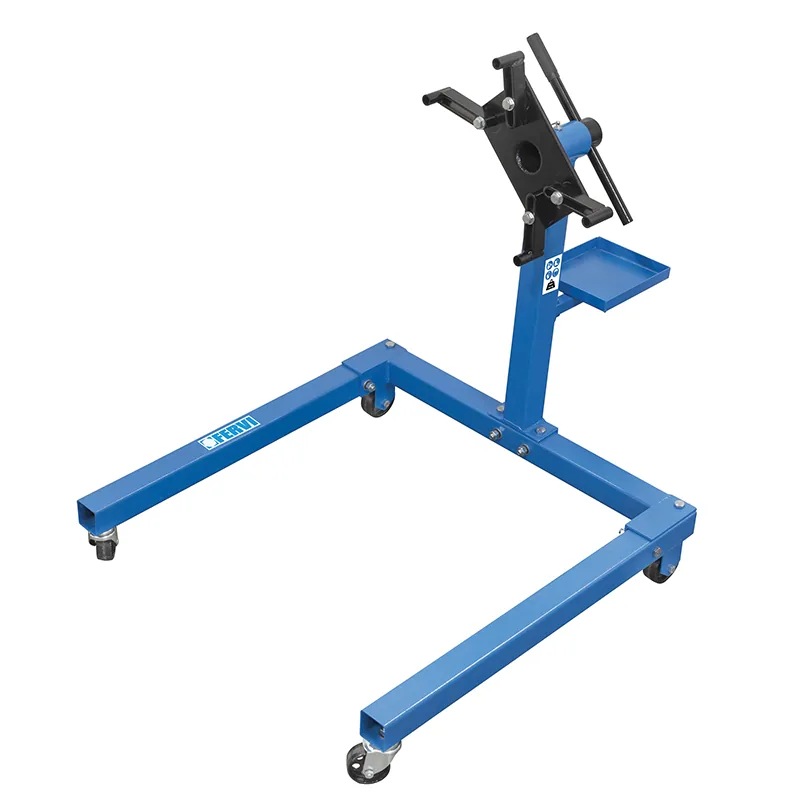
 Engine support bar
 Toolbox
 Plastic pipe cutters
 Beam clamp
 Hydraulic cutting tools
 Hydraulic cable crimping
 Concrete drill bit
 Ceramic, stone drill bit
 Metal drill bit
 Wood hole saw
 Wood router bits and milling cutters
Brushes and wire cup brushes
Hydraulic lifting table
Workbench
Multi-Purpose Spray
Maintenance tool kits
Threading repair sets
Concrete drill bit set
Metal drill bit sets
Countersink bit set
Tap and die sets
Woodworking clamp
Bearing pullers
Chemical cleaning spray bottle
Hydraulic trolley jack
Auto rewind air hose reel
Straight shank end mill
Turning tools - Milling cutters
Velcro sanding disc
Hydraulic punches
Engineering files
Automotive tools
Polishing tools
Cable pulling
Pneumatic tools
Bench Vice
Engine support bar
Toolbox
Plastic pipe cutters
Beam clamp
Hydraulic cutting tools
Hydraulic cable crimping
Concrete drill bit
Ceramic, stone drill bit
Metal drill bit
Wood hole saw
Wood router bits and milling cutters


Hand tools
 Tool bags and backpacks
 Round dies
 Spanner sets
 Universal bit sets
 Wood Chisel Sets
 Number & Letter punch
 Plier sets
 Circlip pliers set
 Hexagon key wrench sets
 Torque Multipliers
 Screwdriver set
 Insulated screwdriver sets
 Socket sets
 Engineering hammer
 Steel Scribers
 Reversible ratchet
 Spanners
 Slogging hammer
 Torque wrenches
 Ratchet spanners
 Hack saws
 Copper and stainless steel pipe cutters
 Utility knife
 Socket adapters
 Screwdriver bits
 Bit socket
 Socket
 Torch - Flashlight
 Chisels and punches
 Rivet tool
 Insulated tools
 Non-Sparking tools
 Garden Tools
 Impact sockets
 Technical scissors and shears
 Tin snips
Tool bags and backpacks
Round dies
Spanner sets
Universal bit sets
Wood Chisel Sets
Number & Letter punch
Plier sets
Circlip pliers set
Hexagon key wrench sets
Torque Multipliers
Screwdriver set
Insulated screwdriver sets
Socket sets
Engineering hammer
Steel Scribers
Reversible ratchet
Spanners
Slogging hammer
Torque wrenches
Ratchet spanners
Hack saws
Copper and stainless steel pipe cutters
Utility knife
Socket adapters
Screwdriver bits
Bit socket
Socket
Torch - Flashlight
Chisels and punches
Rivet tool
Insulated tools
Non-Sparking tools
Garden Tools
Impact sockets
Technical scissors and shears
Tin snips


Measuring Instruments
 Ampere clamp
 Control plate
 Voltage detector
 Borescope
 Electronic scale
 Engineering compass
 Magnetic stand
 Thickness Gauges
 Dial indicator
 Optical instruments
 Master gauges
 Screw Pitch Gauges
Ampere clamp
Control plate
Voltage detector
Borescope
Electronic scale
Engineering compass
Magnetic stand
Thickness Gauges
Dial indicator
Optical instruments
Master gauges
Screw Pitch Gauges


Accessories
 Bimetal hole saws
 Universal control cabinet key
 Cutting and grinding disc
 Hexagon nuts
 Hot knife for polystyrene
 Cable lug
 Drill Chuck
 Connectors
 Bit adapters
 Velcro tape with flap
 Diamond cut-off wheel
 Reinforced abrasive spirabands
Bimetal hole saws
Universal control cabinet key
Cutting and grinding disc
Hexagon nuts
Hot knife for polystyrene
Cable lug
Drill Chuck
Connectors
Bit adapters
Velcro tape with flap
Diamond cut-off wheel
Reinforced abrasive spirabands




Machine tools
 Extended morse taper adapters
 Cross slide table
 Tool holder with inserts
 Sharpening tools
 Lathe chuck
Bench shear machine
 Sander
 Bandsaw machine
 Hydraulic presses
 Hot air, soldering gun
 Vacuum cleaner
 Bench drilling machine
Extended morse taper adapters
Cross slide table
Tool holder with inserts
Sharpening tools
Lathe chuck
Bench shear machine
Sander
Bandsaw machine
Hydraulic presses
Hot air, soldering gun
Vacuum cleaner
Bench drilling machine